
Why are the front and back of Paraguay’s flag different?
Paraguay's national flag is unusual because its front and reverse bear different emblems. Why does it have two sides, and how does it compare with Oregon's flag?


Flags, countries and flag quizzes
Explore national flags, flag facts, quizzes and articles about flag designs and symbols.
Play in your language
Vexilla is available in several languages. Choose yours and test how well you know the flags of the world.
 Suomi Pelaa suomeksi English Play in English
 Français Jouer en français
 Italiano Gioca in italiano
 Português Jogar em português
 Svenska Spela på svenska
 Deutsch Auf Deutsch spielen
 Español Juega en español
 Eesti Mängi eesti keeles
 Norsk bokmål Spill på norsk
 Lietuvių Žaisti lietuviškai
 Latviešu Spēlēt latviski
 Slovenčina Hrať po slovensky
 Română Joacă în română
 Українська Грати українською
 Dansk Spil på dansk
 Polski Graj po polsku
 Nederlands Speel in het Nederlands
 Čeština Hrát česky
 Català Juga en català
 Magyar Játék magyarul
 Türkçe Türkçe oyna
 日本語 日本語で遊ぶ
Explore flags, test your knowledge and read about their designs.
A new flag every day – can you recognise it?
Read about flag history, symbols, colours and meanings.
Paraguay's national flag is unusual because its front and reverse bear different emblems. Why does it have two sides, and how does it compare with Oregon's flag?
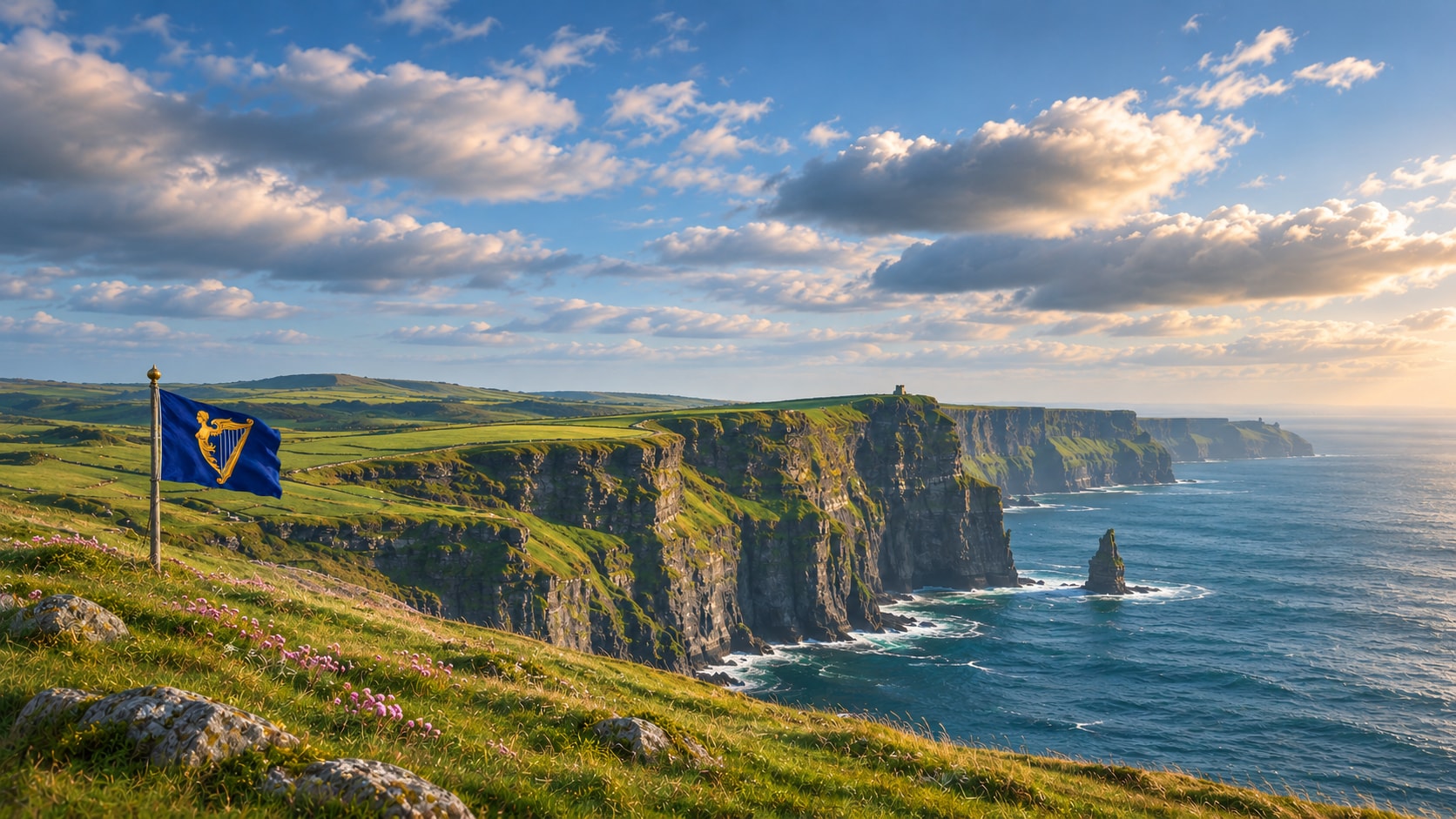
Ireland’s blue harp flag features a golden harp with a winged female figure. Where did the unusual design come from, why were some harp flags green, and what became of the harp?
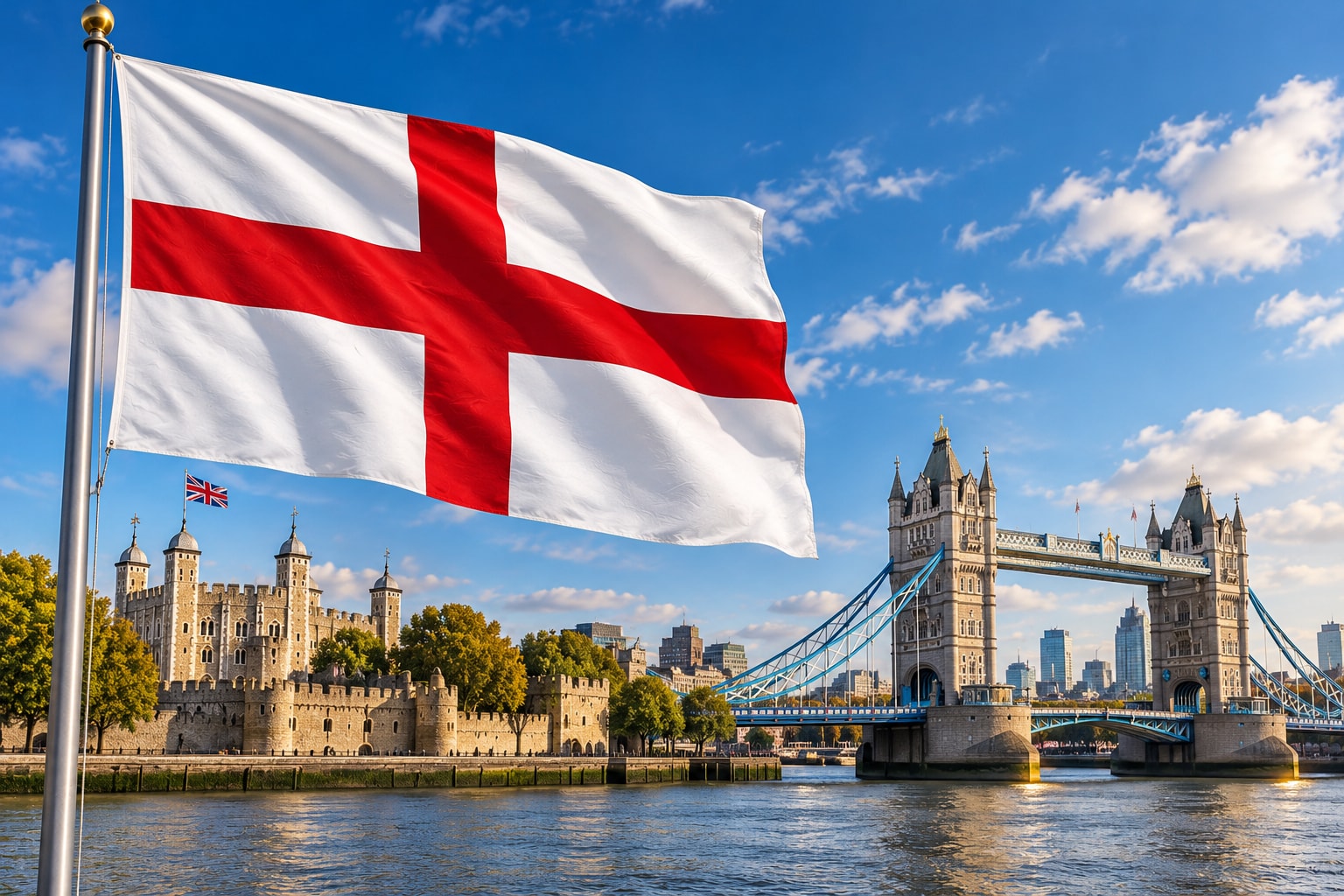
England’s red cross is St George’s Cross. Discover how the design became an English emblem, why it appears in the Union Jack and how it differs from Scotland’s flag.
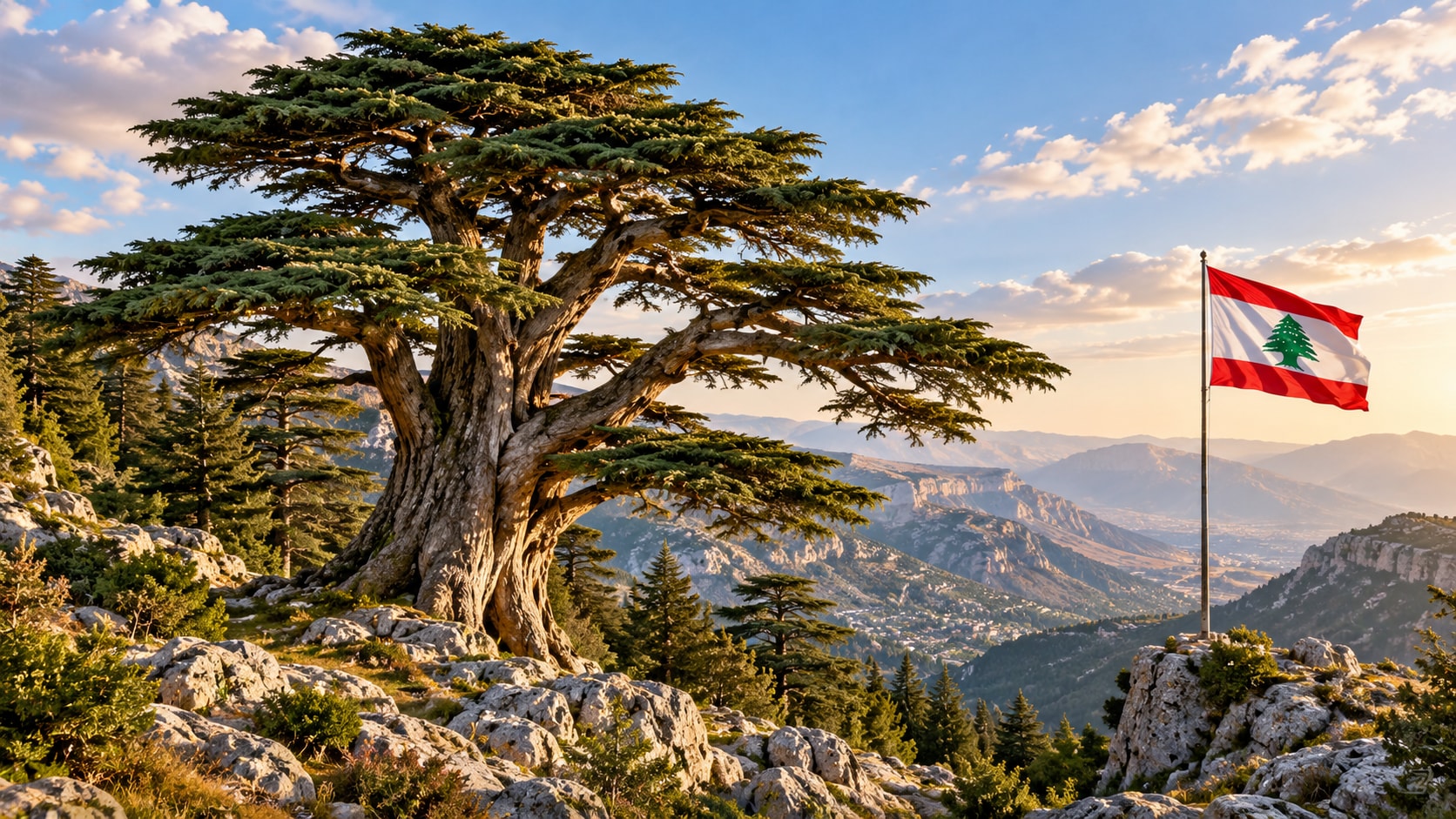
Lebanon’s best-known national symbol is the cedar of Lebanon. Learn why the tree appears on the flag, where the symbol comes from, and what it represents.
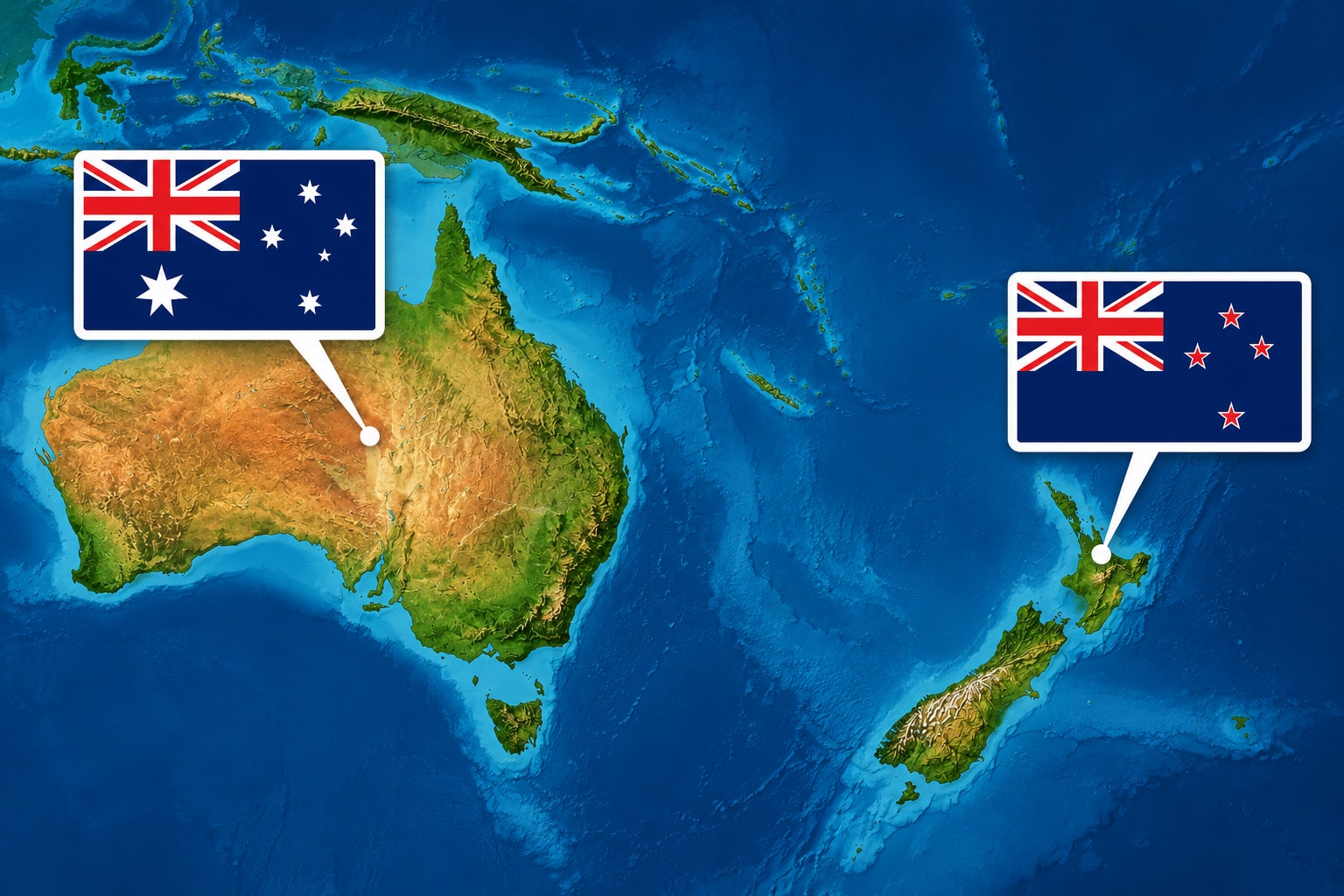
The flags of Australia and New Zealand look very similar: both feature the Union Jack and the Southern Cross. Learn the key differences and how to recognise each flag quickly.
Start with all countries or practise one part of the world at a time.
Browse all country flags, compare regions or filter flags by colours, stripes, crosses and symbols.
Find flag emojis and ISO 3166-1 country codes.
Pronunciation: [vek-SIL-uh]
Vexilla is the Latin plural of vexillum, meaning “flag” or “military standard”. In ancient Rome, a vexillum was a standard used by military units. Today, the word serves as a historical and somewhat poetic term associated with flags and symbols.