

Lebanon’s symbol: why is the cedar tree the country’s emblem?

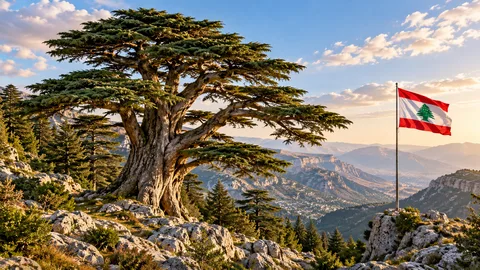
Lebanon’s best-known national symbol is the cedar of Lebanon. Learn why the tree appears on the flag, where the symbol comes from, and what it represents.
Flag design
Horizontal bands are one of the most common basic structures used in flags.


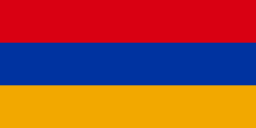
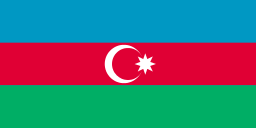
From top to bottom, the horizontal stripes are red, blue, and orange.

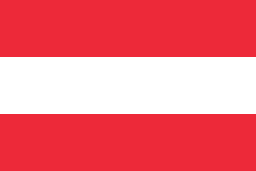
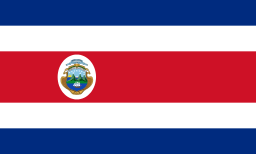
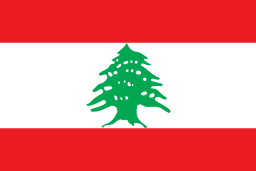
From top to bottom, the horizontal stripes are red, white, and red.


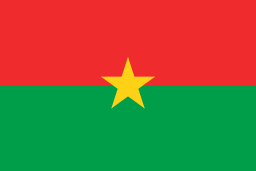
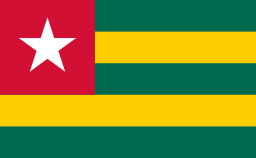
Three equal-width horizontal bands and a triangle at the hoist.

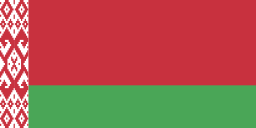
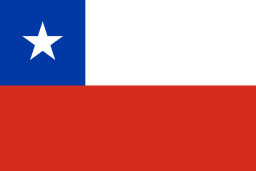
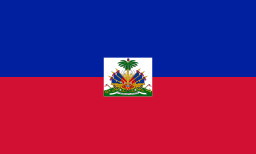
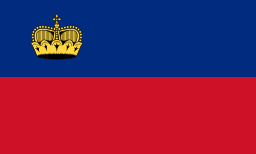
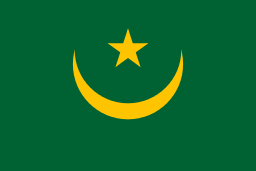
Two horizontal bands of unequal width.


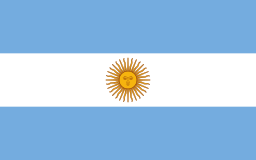
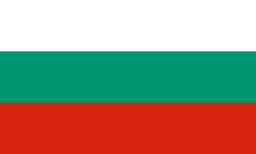
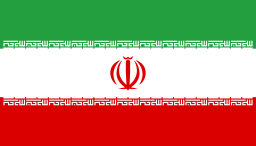
From top to bottom, the horizontal stripes are white, green, and red.


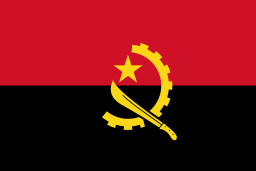
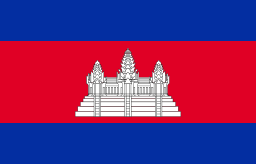
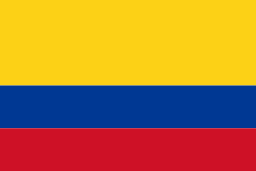
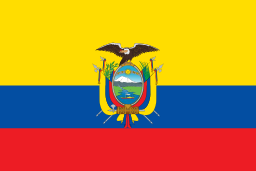
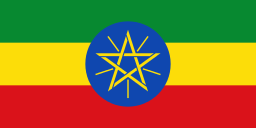
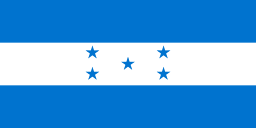
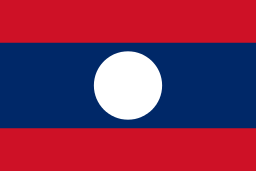
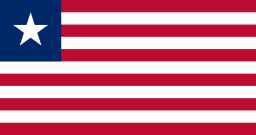
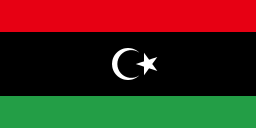
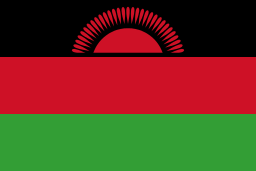
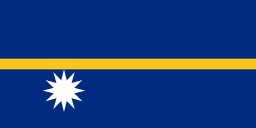
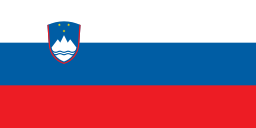
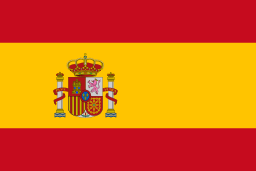
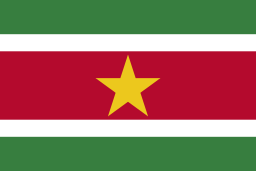
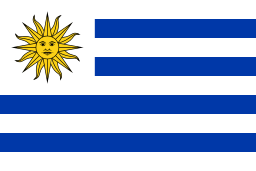
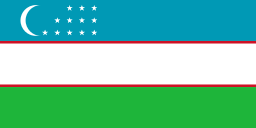
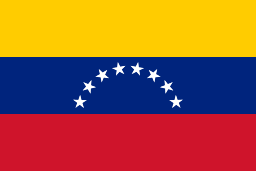
Three horizontal bands of unequal width.

Special municipalities
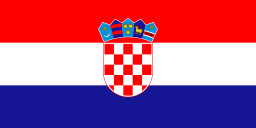
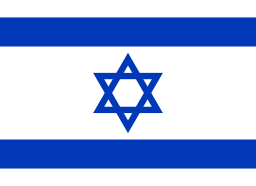
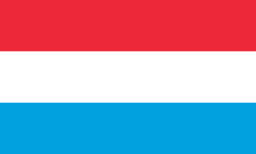
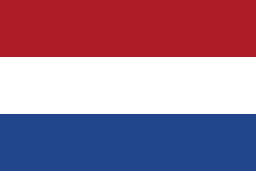
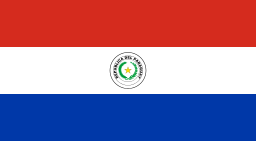
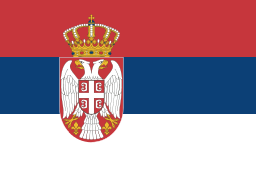
From top to bottom, the horizontal stripes are red, white, and blue.


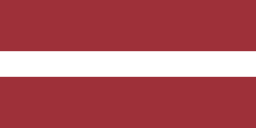
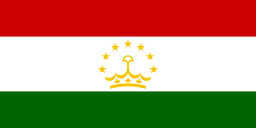
Three horizontal bands of unequal width.


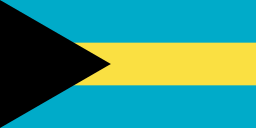
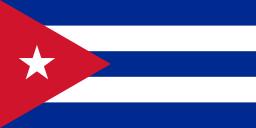
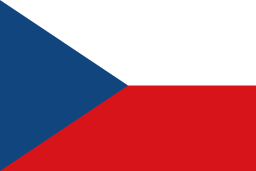
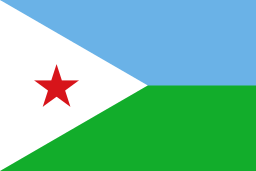
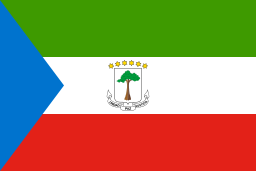
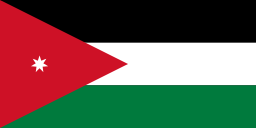
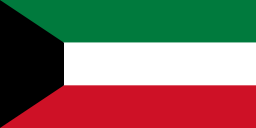
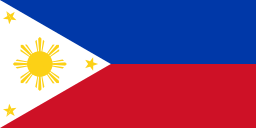
Two equal-width horizontal bands and a triangle at the hoist.


From top to bottom, the horizontal stripes are blue, black, and white.

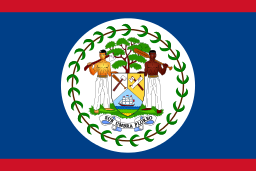
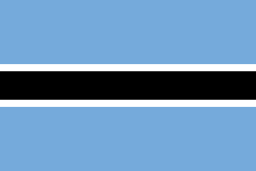
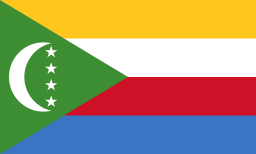
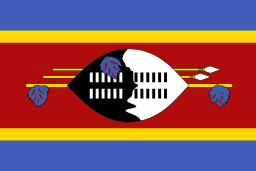
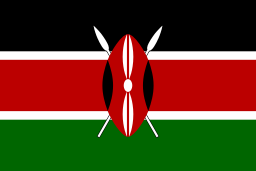
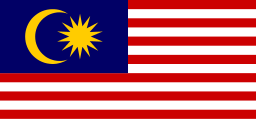
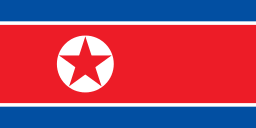
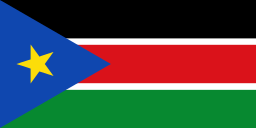
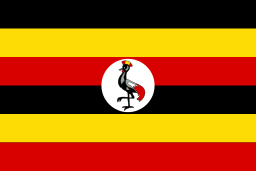
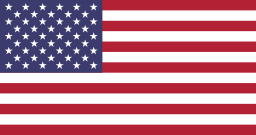
5 horizontal bands of unequal width.


Overseas territory

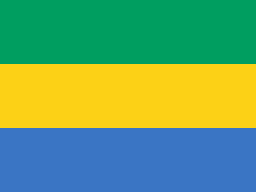
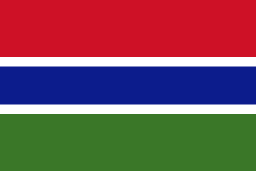
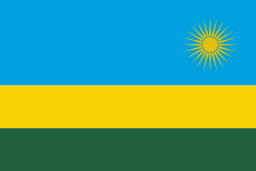
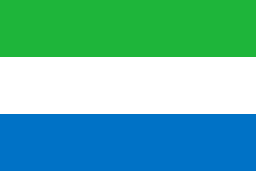
From top to bottom, the horizontal stripes are green, yellow, and blue.


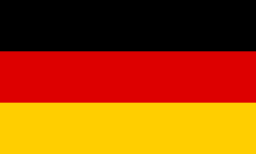
From top to bottom, the horizontal stripes are black, red, and yellow.


Overseas territory

9 equal-width horizontal bands.

Self-governing territory
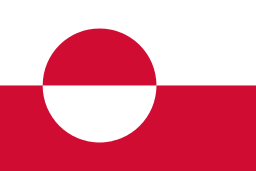
The upper half is white and the lower half red. A circle sits slightly toward the flagpole, with red above white.


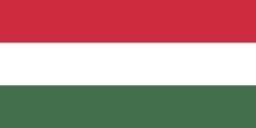
From top to bottom, the horizontal stripes are red, white, and green.

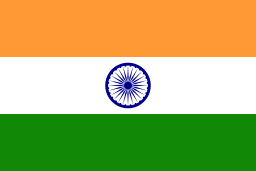
Three equal-width horizontal bands and a wheel in the centre.

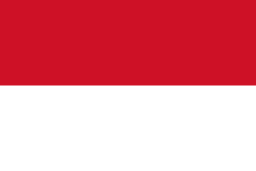
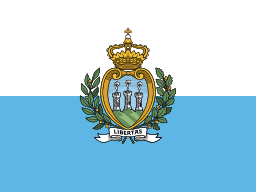
Two equal-width horizontal bands.


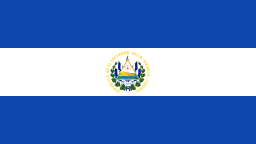
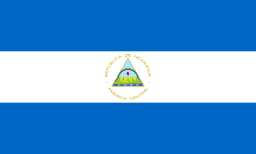
Three equal-width horizontal bands.


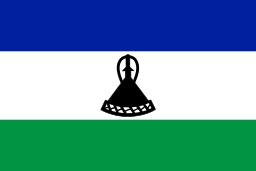
Three horizontal bands of unequal width.


Three equal-width horizontal bands.


Two equal-width horizontal bands.

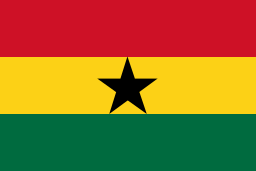
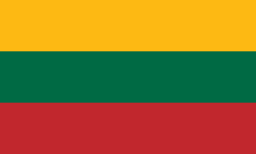
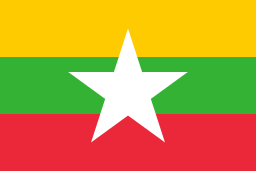
From top to bottom, the horizontal stripes are yellow, green, and red.

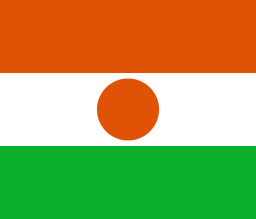
Three equal-width horizontal bands.


Overseas territory
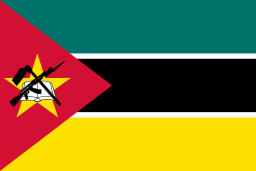
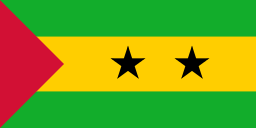
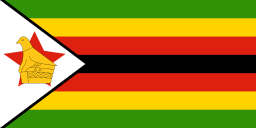
Two equal-width horizontal bands and a triangle at the hoist.


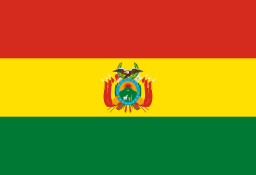
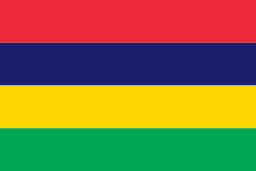
From top to bottom, the horizontal stripes are red, blue, yellow, and green.

Two equal-width horizontal bands.


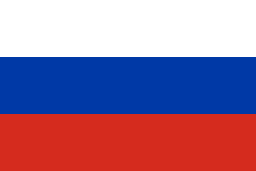
From top to bottom, the horizontal stripes are red, white, and blue.

Special collectivity


Special territory
Three equal-width horizontal bands and a triangle at the hoist.


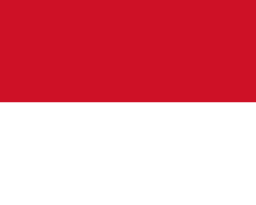
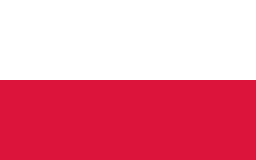
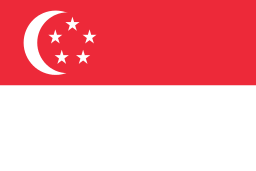
From top to bottom, the horizontal stripes are white and red.

Territory

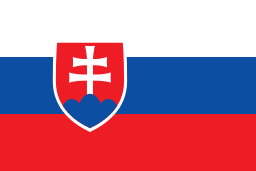
From top to bottom, the horizontal stripes are white, blue, and red.


From top to bottom, the horizontal stripes are green, white, and blue.


Self-governing territory


Three equal-width horizontal bands and a triangle at the hoist.


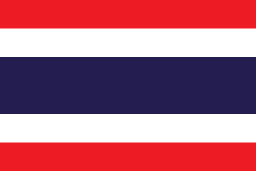
From top to bottom, the horizontal stripes are red, white, blue, white, and red.


Outlying islands


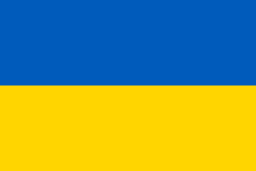
From top to bottom, the horizontal stripes are blue and yellow.


Constituent country
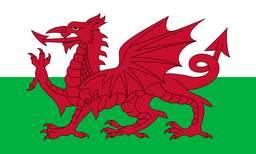
A red dragon stands across two horizontal bands, white above and green below.

Disputed territory

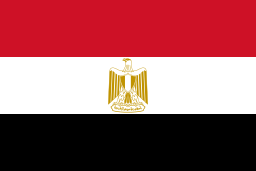
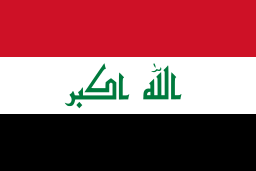
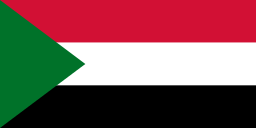
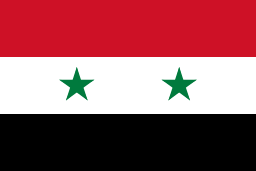
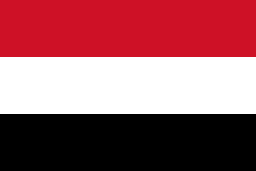
From top to bottom, the horizontal stripes are red, white, and black.

Read the bands from top to bottom. Their number and width may differ even when the palette is similar.
Next compare the order of colours, the placement of the design and any additional emblems.
Open a more specific subgroup of this design.
Continue exploring related layouts, shapes and symbols.
Lebanon’s best-known national symbol is the cedar of Lebanon. Learn why the tree appears on the flag, where the symbol comes from, and what it represents.